
Signs It’s Time to Repaint Your Home
Paint changes the way a home looks, but it also acts as a protective finish over drywall, plaster, wood, and other surfaces. When that finish begins to fail, waiting can turn straightforward preparation into a larger repair. Many homeowners become used to gradual fading, scuffs, and small cracks because the change happens slowly. The useful question is not whether a room looks newly painted; it is whether the coating is still sound, cleanable, and doing its job. These signs can help you decide whether a touch-up is enough, a full repaint is due, or an underlying moisture or structural issue needs attention first.
How Long Does Paint Actually Last?
As general planning guidance, a quality interior paint job often lasts about five to seven years. High-traffic spaces such as hallways, kitchens, family rooms, and children's rooms may show wear sooner. Quiet bedrooms can remain presentable longer. The original surface preparation, paint quality, number of coats, ventilation, cleaning habits, sunlight, and daily use all affect that timeline.
Exterior coatings are often discussed in a broad seven-to-ten-year range, but exposure makes the real interval highly variable. Ontario's freeze-thaw winters, humid summers, intense sun on some elevations, and repeated wetting can shorten the useful life of an exterior finish. This is general maintenance information; Gold Painter's current work focuses on interior painting, drywall, ceilings, commercial interiors, and wallpaper removal. If an exterior surface is failing, have it assessed by a contractor who handles that scope.
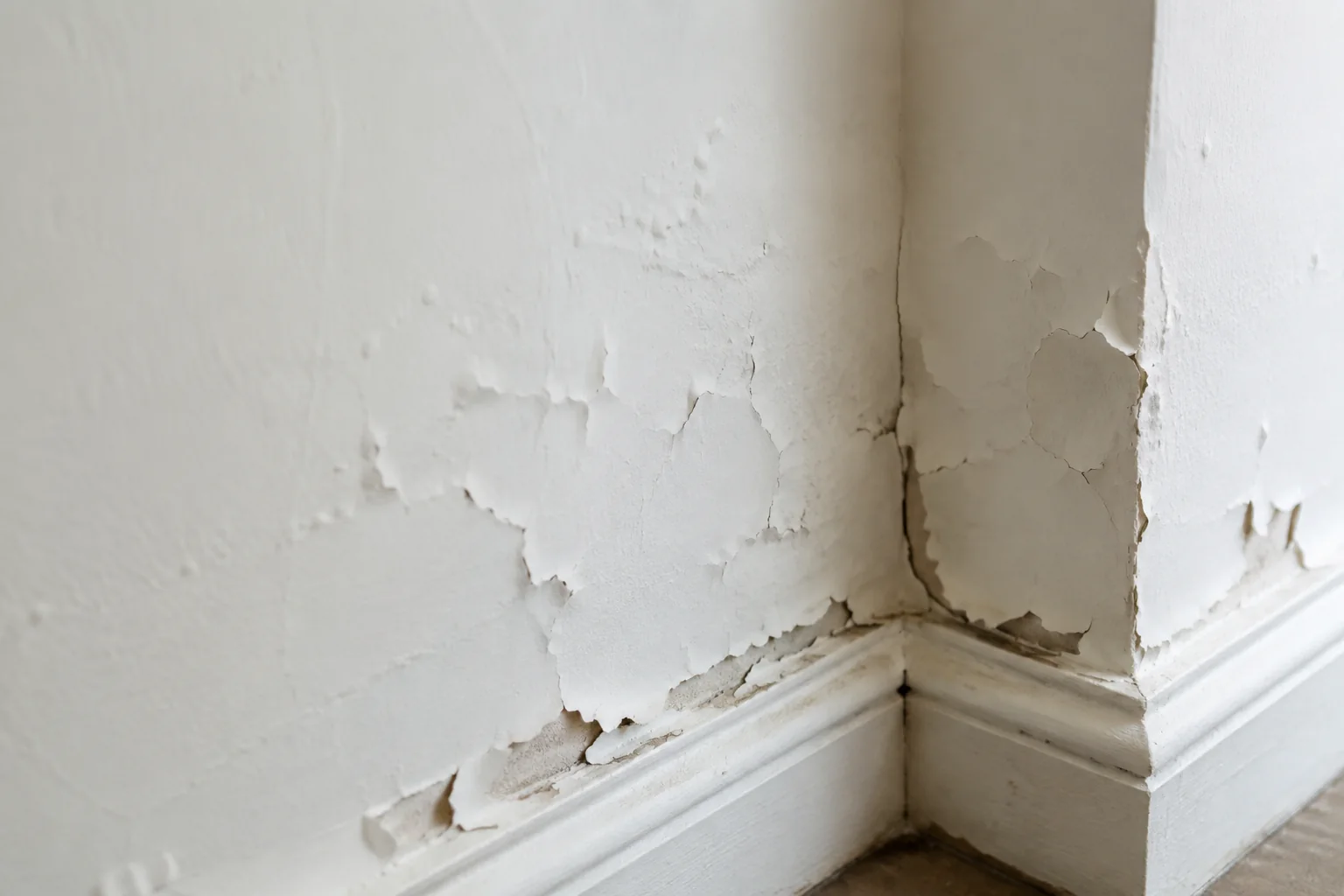
Interior Warning Signs
Peeling, cracking, or bubbling paint
Peeling paint has lost adhesion to the layer below. Cracking may come from age, movement, incompatible coatings, or a brittle build-up of old paint. Bubbling can indicate trapped moisture, heat, or poor adhesion. Do not simply press a loose edge down and paint over it. The failed material must be removed, the source of the failure identified, and the surface stabilized.
In bathrooms, basements, kitchens, and around windows, investigate moisture before refinishing. A coating cannot solve a leak, persistent condensation, or damp substrate. Once the cause is corrected and the surface is dry, scraping, sanding, patching, priming, and repainting can restore a uniform finish.
Fading or uneven color
Sunlight, cleaning, and ordinary ageing can fade colour gradually. You may notice the difference after moving artwork or furniture, where the protected area remains deeper than the exposed wall. Uneven colour can also result from inconsistent coverage, touch-ups made with a different batch or sheen, or porous patches that were not primed. When several walls have shifted differently, a complete coat usually produces a more consistent result than scattered touch-ups.
Stains or scuffs that will not clean off
Some marks sit on the coating and clean away; others penetrate it or become burnished when scrubbed. If gentle cleaning leaves shiny patches, changes the colour, or exposes the layer below, the finish may be too worn for more washing. High-contact areas around switches, doorways, corners, and stairwells often reveal this first. A repaint allows the surface to be repaired and a more suitable sheen selected for future cleaning.
Visible drywall damage or cracks
Nail pops, dents, holes, open joints, and recurring cracks remain visible after ordinary painting. Small stable defects can often be patched before coating. Wider, diagonal, spreading, or repeatedly returning cracks deserve closer assessment because paint and filler do not address movement. Water-softened drywall must be dried and the moisture source corrected before repair.
If the substrate is sound, proper patching, sanding, spot priming, and drywall painting can make the repair blend into the surrounding wall. The preparation step is what determines whether the finished wall reads as one surface.
Popcorn ceiling or ceiling discoloration
A discoloured ceiling often draws attention before wall wear does. Yellow or brown marks may point to an old or active water issue. Grey shadowing can come from dust patterns, airflow, or uneven previous coverage. Confirm that any leak or condensation problem is resolved, then use an appropriate stain-blocking preparation so the mark does not return through fresh paint.
An older popcorn texture may be intact but visually dated, or it may contain poorly blended repairs that catch side light. Painting texture can refresh colour but will not create a smooth ceiling. Gold Painter's ceiling repair and popcorn ceiling removal work addresses the surface before the final finish.
Wallpaper that is peeling, bubbling, or dated
Open seams, curling edges, bubbles, and staining can make a room feel worn even when the rest of the finishes are sound. Painting directly over wallpaper often preserves seams and texture while creating future adhesion problems. Proper wallpaper removal includes stripping the paper and adhesive, repairing torn or uneven areas, and priming the wall for its next finish.
Mold or mildew spots in bathrooms and basements
Small dark spots in humid rooms may be surface mildew, but recurring growth, a musty smell, soft drywall, or widespread staining can indicate a moisture problem. Do not cover it with paint and assume it is resolved. Improve ventilation, identify leaks or condensation, and have significant or recurring contamination assessed appropriately. Repainting belongs at the end of the correction process, once the surface is clean, dry, sound, and suitable for coating.
Exterior Warning Signs
Cracking, peeling, or bubbling exterior paint
Exterior failure exposes the material below to weather. Peeling may begin at edges, joints, or the most sun-exposed elevation. Bubbling can follow trapped moisture or painting over a damp surface. Because the cause may involve drainage, flashing, ventilation, or substrate deterioration, repair should begin with diagnosis rather than another coat. Gold Painter does not currently offer exterior painting, so consult an exterior specialist for this scope.
Chalking or faded, dull color
Some exterior coatings gradually form a powdery residue as they weather. On a dry, clean-looking area, lightly rubbing the surface with a dark cloth or clean hand may reveal a chalk-like deposit. Heavy chalking can interfere with adhesion if it is not properly removed during preparation. Fading alone may be cosmetic, but combined fading and surface erosion indicate that the coating is ageing.
Cracked or separating caulk around trim and windows
Caulk helps close joints where materials meet. Gaps, splits, or separation can admit water and allow movement. Exterior caulk must be compatible with the joint, substrate, and coating, and it must be applied to a clean, prepared surface. Repeated failure may point to movement or water management that needs attention beyond cosmetic repainting.
Mold, mildew, or algae on siding
Organic growth is more common in shaded, damp areas with limited airflow. Cleaning may remove surface growth, but rapid return suggests an ongoing moisture or drainage condition. The siding should be assessed for soundness before coating, and nearby landscaping, gutters, or water flow may need correction.
Visible wood rot or gaps between siding boards
Soft, crumbling, or deeply checked wood is not a paint-only problem. Rot indicates that moisture has damaged the substrate. Gaps can expose edges and the wall assembly behind them. Damaged material may need carpentry repair or replacement before any coating work. If you can press a tool easily into the wood, see widespread decay, or suspect hidden water entry, arrange a qualified assessment promptly.
How Often Should You Repaint? A Quick Reference
| Area | General planning interval | What may shorten it |
|---|---|---|
| Bedrooms and low-traffic rooms | About 5–7 years or as condition requires | Strong sun, colour change, poor previous preparation |
| Living rooms and dining rooms | About 5–7 years | Frequent use, washable-wall cleaning, direct sunlight |
| Kitchens, bathrooms, and hallways | Often sooner than quiet rooms | Humidity, grease, scuffs, repeated cleaning |
| Trim and doors | Condition-based | Chips, hand contact, impact, cleaning wear |
| Exterior wood or siding coatings | Often discussed as 7–10 years | Material, exposure, moisture, freeze-thaw cycling, prior coating quality |
These are general intervals, not deadlines. A sound, cleanable finish may last longer, while active peeling or moisture damage should be addressed regardless of age. Review the surface rather than relying only on the calendar.
Keep a simple maintenance record with the room, colour, product, sheen, and completion date. Store a small labelled amount of paint only as long as it remains usable and the container can be sealed safely. This helps distinguish normal ageing from an unusually early failure. When the same area bubbles, stains, or cracks repeatedly, the pattern matters more than the number of years since it was painted.
What Happens If You Wait Too Long?
On interior walls, delayed maintenance can allow loose paint to spread, stains to migrate through new coatings, and small drywall defects to become more noticeable. Continued moisture can soften drywall or damage plaster. Wallpaper adhesive and torn paper facing may require wider skim coating if surface failure progresses.
On exterior materials, coating failure can expose wood or joints to repeated wetting. That can turn cleaning and repainting into substrate repair or replacement. Waiting also increases preparation time because loose layers, degraded caulk, and damaged material must be corrected before a reliable finish can be applied. Cosmetic wear can affect presentation and resale appeal, but protecting the substrate is the more practical reason to act.
DIY Touch-Up vs. Calling a Professional Painter
A DIY touch-up is reasonable for a small, isolated mark when you have the original paint, the colour has not faded, and the surrounding finish is sound. Use the same product and application method, and feather the edge carefully. Even then, sheen and ageing can make the patch visible under side light.
A full repaint is usually more successful when colour has faded across a wall, touch-ups are flashing, the finish no longer cleans well, or repairs are spread through the room. High walls, stairwells, ceilings, extensive patching, and multi-room coordination also benefit from professional preparation. Structural movement, active leaks, soft drywall, and significant mold or mildew must be assessed and corrected before paint work begins.
Before deciding, inspect the room in daylight and with the main evening lights on. Look along the wall from the side rather than only straight ahead. Raking light reveals patch edges, roller texture, open joints, and sheen differences. Check behind furniture, above windows, near supply vents, around plumbing walls, and at ceiling corners. Photograph suspicious stains and mark the date; growth or colour change can help show whether the source is active.
Also consider disruption. A homeowner may be comfortable repairing one small bedroom wall but not coordinating dust control, furniture movement, ladder access, and drying time across an occupied main floor. The professional value in a larger repaint is often the preparation sequence and consistent finish from room to room, not just faster rolling.
You can review interior painting services, see the difference a repaint makes through representative project types, or learn about painting services in Richmond Hill.
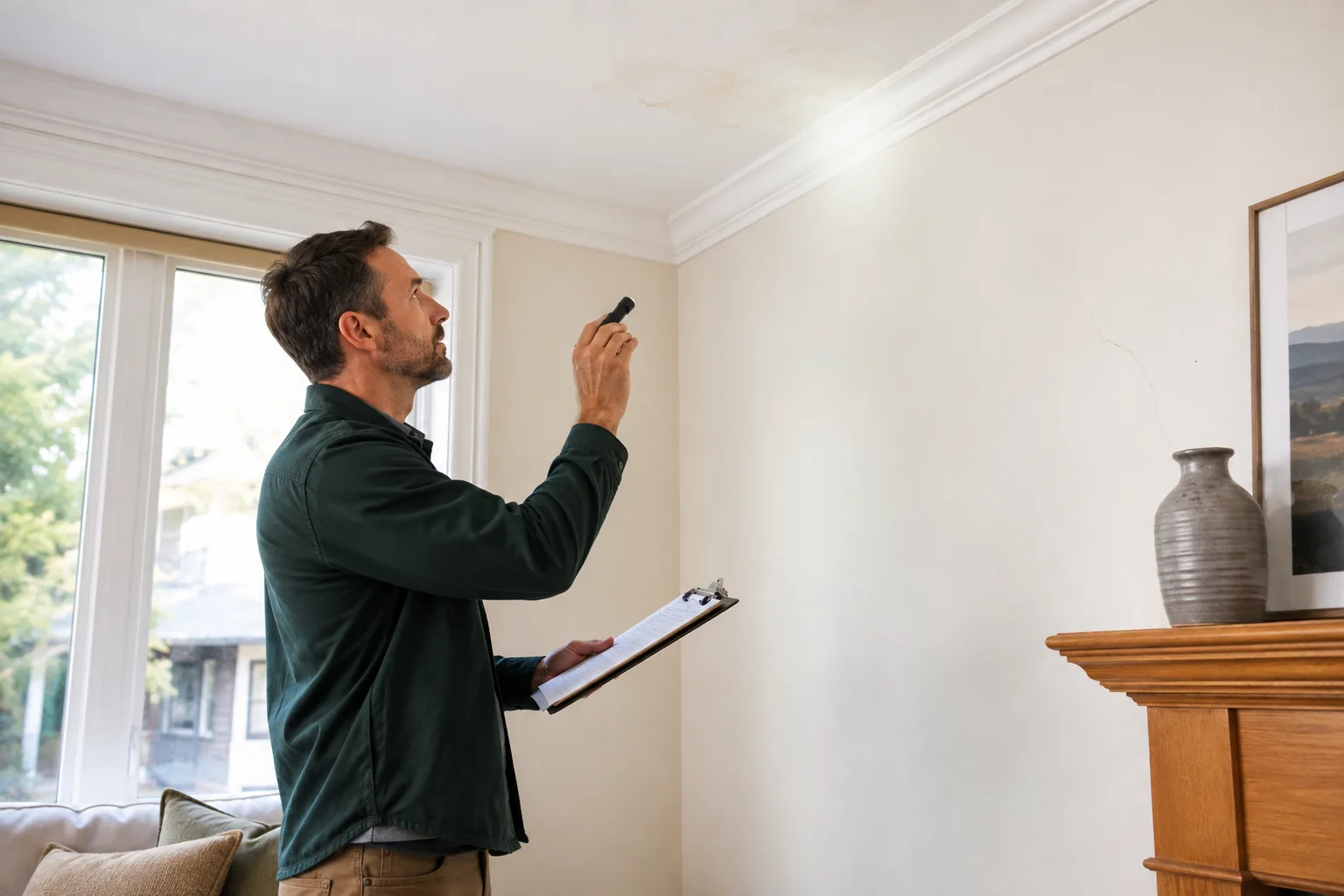
Get a Professional Assessment
Not every mark means the whole home needs repainting. A walkthrough can separate cleaning and isolated repair from rooms that need full preparation and coating. Gold Painter can review interior walls, ceilings, drywall damage, popcorn texture, and wallpaper condition, then define the scope before work begins. If you are seeing several of the signs above, get a free estimate and confirm what your surfaces actually need.
Before the visit, make a short list of when each condition appeared, whether it changes after rain or seasonal humidity, and which areas have been repaired before. Move small objects away from the wall if practical, but do not scrape, wash, or cover a suspicious area merely to make it look better. Seeing the undisturbed condition helps determine whether the next step is cleaning, patching, repainting, or referral to another trade. A clear assessment can also group connected rooms into one sensible scope while leaving sound areas alone.
Bring any remaining labelled paint or product information to the walkthrough. It may help with colour, sheen, compatibility, and deciding whether a local correction can blend successfully.
Condition, not age alone, should guide the final decision.
If only one area is affected, ask whether a localized repair will blend with the surrounding colour and sheen. When the existing coating has faded or polished unevenly, repainting the full wall from corner to corner can produce a more consistent result than enlarging a visible touch-up.
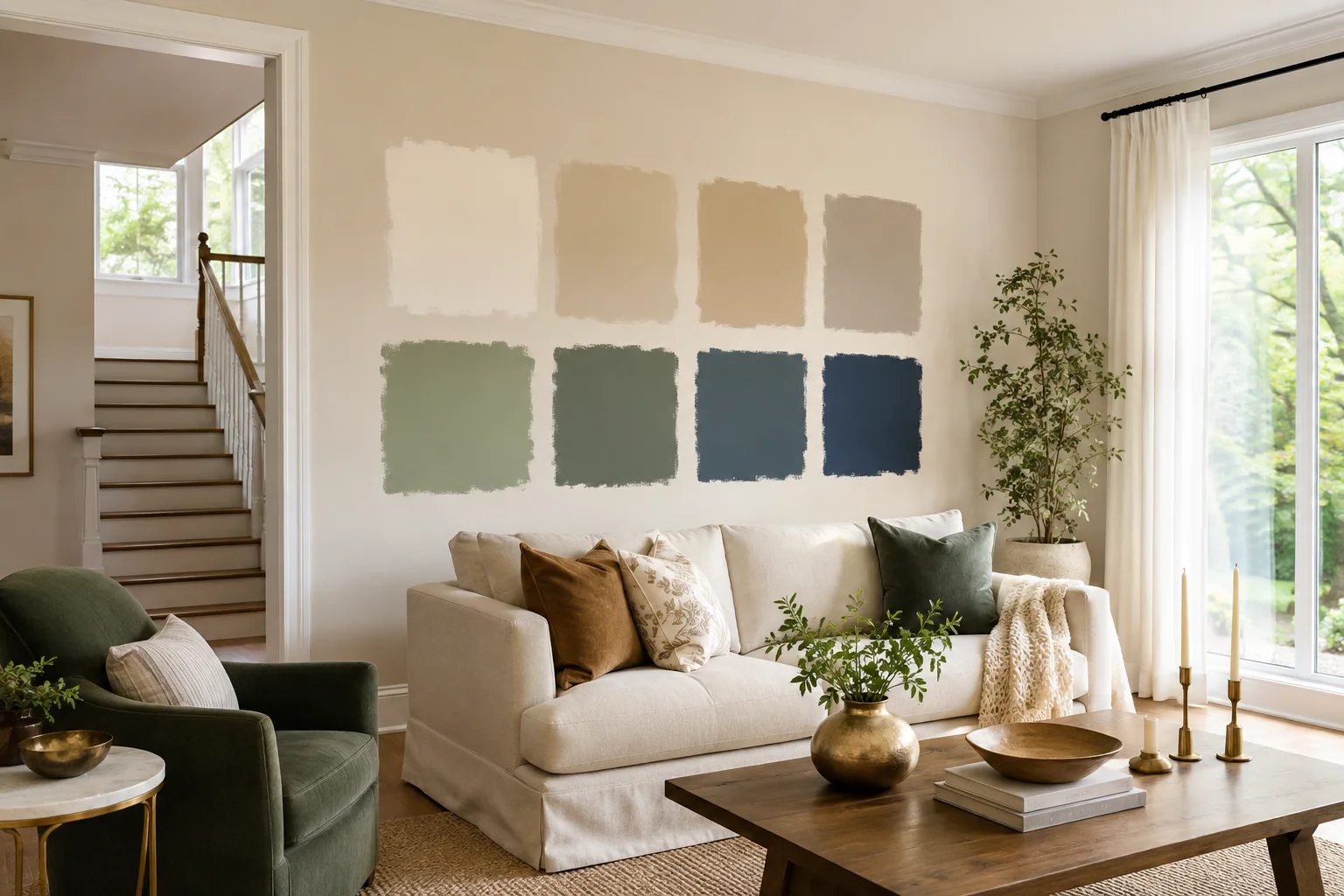
Have a project in mind?
Let's see what your space needs.
Arrange a free on-site visit and we'll talk through your project.