
Latex vs. Oil-Based Paint: Which Is Best Indoors?
Before an interior repaint, choosing between latex and oil-based paint can seem like a technical detail. It affects drying time, odour, cleanup, durability, and how smoothly the finish settles on walls, ceilings, trim, and doors. In most occupied homes today, water-based latex is the practical standard for large surfaces. Oil-based alkyd still has useful qualities, particularly where a hard, smooth finish matters, while modern waterborne alkyd products bridge some of the gap. The right answer depends on the surface, the coating already there, ventilation, and the finish you expect. This comparison gives you the short answer first, followed by the preparation details that determine whether either option will perform well.
Latex vs. Oil-Based Paint at a Glance
| Factor | Latex or water-based | Oil-based or alkyd |
|---|---|---|
| Drying time | Usually dries and recoats faster | Slower dry and cure time |
| Durability | Flexible, good colour retention, modern formulas can be highly durable | Hard, smooth film with strong wear resistance |
| Finish | Low-odour options and a wide range of sheens; may show poor trim preparation | Levels smoothly on detailed trim but can yellow with age |
| Cleanup | Soap and water while fresh | Mineral spirits or the cleaner specified by the product |
| Odour and VOCs | Generally lower odour; product levels vary | Typically stronger odour and more demanding ventilation |
| Best uses | Walls, ceilings, and most occupied-room applications | Selected trim, doors, and high-touch surfaces where conditions allow |
What Is Latex (Water-Based) Paint?
Latex paint is a water-based coating. The word “latex” describes the flexible synthetic binder; it does not mean the product contains natural rubber latex. Water carries the binder and pigments during application, then evaporates as the coating forms a film. Product families range from flat ceiling paint to washable wall finishes and durable trim enamels.
Advantages of Latex Paint
Faster drying is one of the main practical advantages. A room can often receive its next coat sooner, and tools clean with soap and water while the paint is still fresh. Lower-odour formulations are easier to manage in occupied homes, although every product should still be used with appropriate ventilation.
Water-based coatings remain more flexible than traditional oil films, which helps them tolerate normal expansion and contraction with less brittle cracking. They also tend to retain light colours better because they are less prone to ambering or yellowing. Modern premium latex and acrylic products offer strong washability and stain resistance, so the old assumption that water-based paint is always fragile no longer holds.
For large wall and ceiling areas, the combination of quick recoat time, low odour, broad colour choice, and easy cleanup makes latex efficient. It is the standard choice for most professional interior painting services.
Drawbacks of Latex Paint
Water-based paint can raise fibres on bare wood and may not level as slowly or as smoothly as a traditional oil coating. On trim with brush marks, chips, or poorly sanded repairs, a fresh coat may reveal rather than hide the defects. Some formulas remain softer during their curing period and can block when two painted surfaces touch too soon.
Stain blocking also depends on the product and primer. Modern systems have closed much of the historical gap, but tannin, water stains, smoke residue, and old contamination may still require a dedicated primer. The solution is a compatible coating system and good preparation, not simply choosing “oil” or “latex” by habit.
What Is Oil-Based (Alkyd) Paint?
Traditional oil-based paint uses an alkyd resin carried in solvent. It dries through oxidation rather than only through water evaporation, creating a hard film over time. That chemistry gives it distinctive levelling and durability, but it also creates longer dry times, stronger odour, more demanding cleanup, and a tendency to yellow as it ages.
Advantages of Oil-Based Paint
Oil-based enamel flows and levels slowly, which can produce a very smooth finish on properly prepared doors, casings, baseboards, and detailed woodwork. Once cured, the film is hard and resists wear on high-touch surfaces. Traditional alkyd primers can also be effective at isolating certain stains or bonding to difficult existing finishes when the product is selected correctly.
The long open time gives brush marks more opportunity to settle. That can be useful on complex trim, but only if dust is controlled and the surface can remain undisturbed while it dries. The harder film is not automatically better for every substrate; flexibility, moisture, and the existing coating still matter.
Drawbacks of Oil-Based Paint
Longer drying and curing extend the time before doors, windows, and rooms return to normal use. Stronger odour and solvent vapours require careful ventilation and handling. Brushes and spills need the cleaner specified on the label rather than ordinary soap and water, and disposal practices must follow local requirements.
Traditional oil finishes can yellow over time, especially in areas with limited daylight. A hard film may also become brittle as it ages. These disadvantages are why many interior applications have moved to advanced water-based coatings. Always follow the manufacturer’s current safety, ventilation, application, and disposal directions.
Which Paint Is Better for Interior Walls and Ceilings?
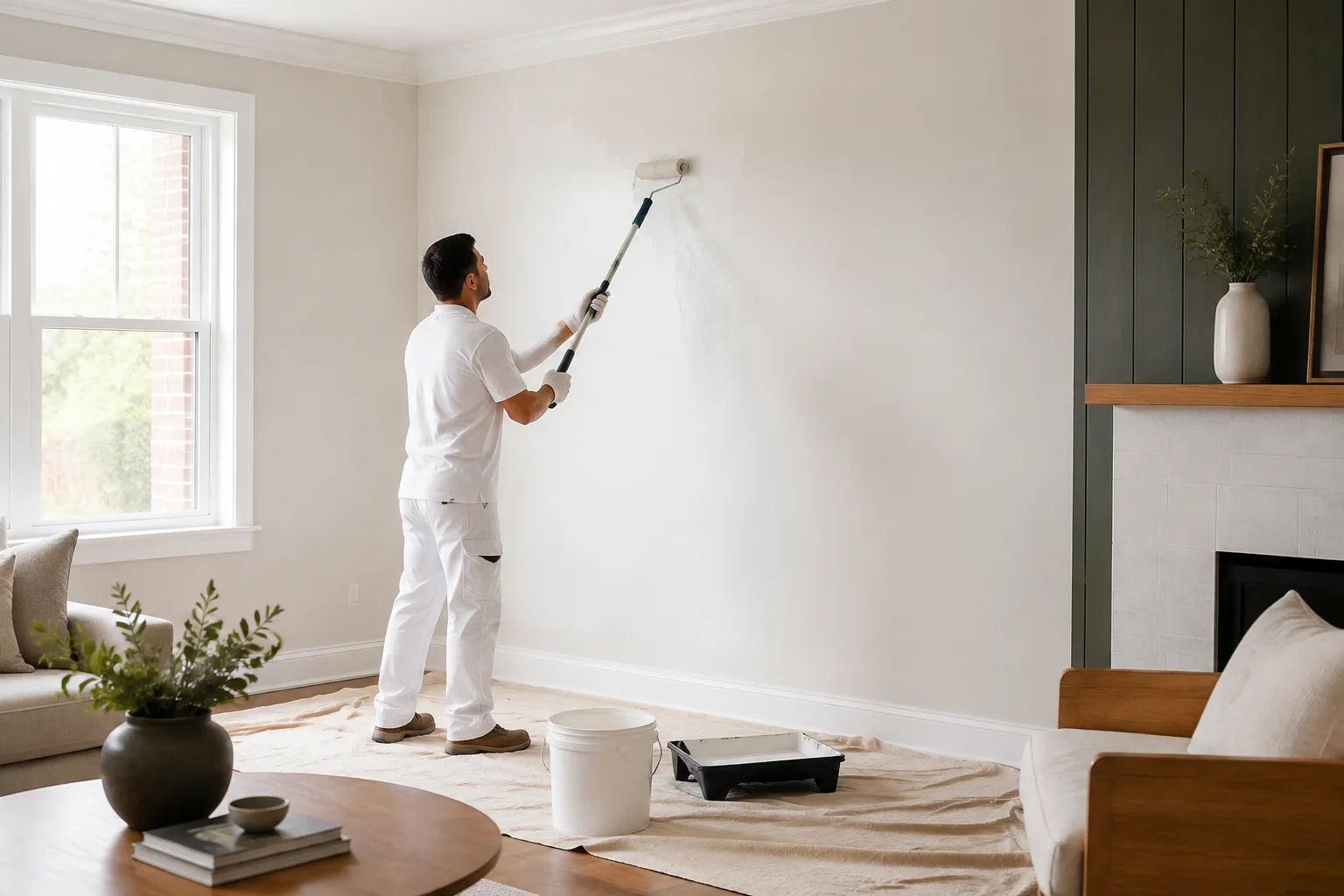
For most interior walls and ceilings, latex is the direct answer. These surfaces cover large areas, so faster drying, lower odour, straightforward cleanup, flexibility, and colour retention matter. Modern water-based wall paint is available in flat, matte, eggshell, satin, and other finishes suited to different rooms.
Ceilings usually benefit from a flat or matte water-based product that reduces glare and does not emphasize minor variation. Walls in kitchens, bathrooms, hallways, and family rooms may need a more washable latex finish. The substrate must still be sound: stains, damaged paper facing, cracked joints, and uneven patches should be repaired and primed first. Proper drywall painting begins with surface preparation rather than the topcoat alone.
Where Oil-Based Paint (or a Hybrid) Still Makes Sense Indoors
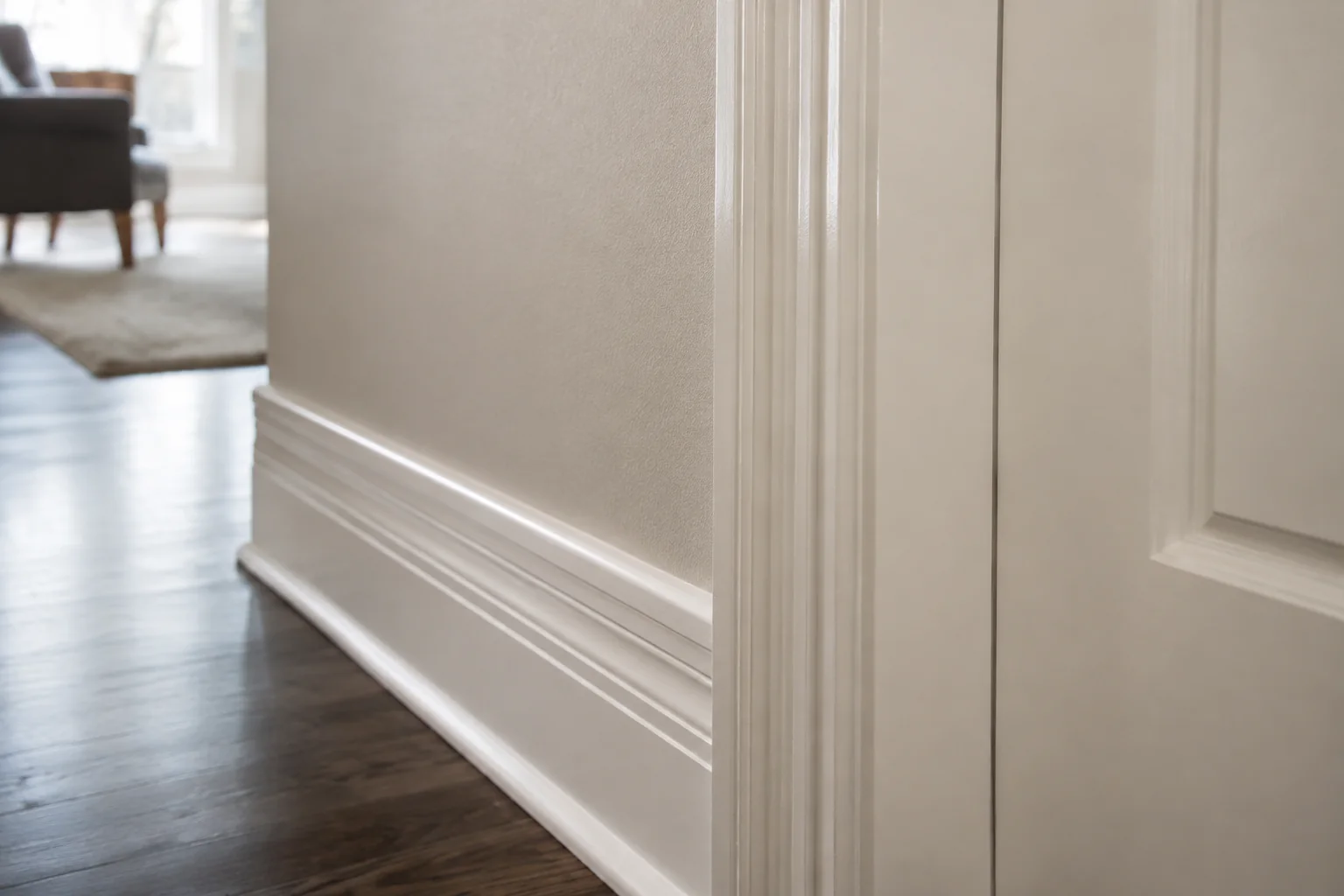
Traditional oil-based enamel can still make sense on selected trim, doors, and banisters where a hard, smooth finish is the priority and the space can support longer drying and stronger ventilation. Existing oil-coated woodwork may also influence the primer and topcoat system selected for a repaint.
Waterborne alkyd or hybrid enamels offer another option. They are designed to combine some of an alkyd’s levelling and hardness with water cleanup and lower odour. They can be a practical choice for detailed millwork and high-touch interior surfaces when compatible with the substrate and previous coating.
Hybrid does not mean every product behaves identically. Some dry quickly but take longer to reach full hardness. Others level best at a particular film thickness or within a limited temperature and humidity range. Doors should not be closed tightly, stacked, or cleaned before the coating has cured as directed. Ask which primer and topcoat form the complete system rather than choosing from the word “enamel” alone.
Cabinetry is often discussed in paint comparisons because it demands a furniture-like finish and careful curing. Gold Painter does not currently offer cabinet painting, so that work should be evaluated by a specialist whose process includes cleaning, degreasing, sanding, bonding primer, controlled application, and suitable cure time. The broader lesson is that product selection should follow the surface and use, not a universal preference for one chemistry.
Can You Apply Latex Over Oil-Based Paint (or Vice Versa)?
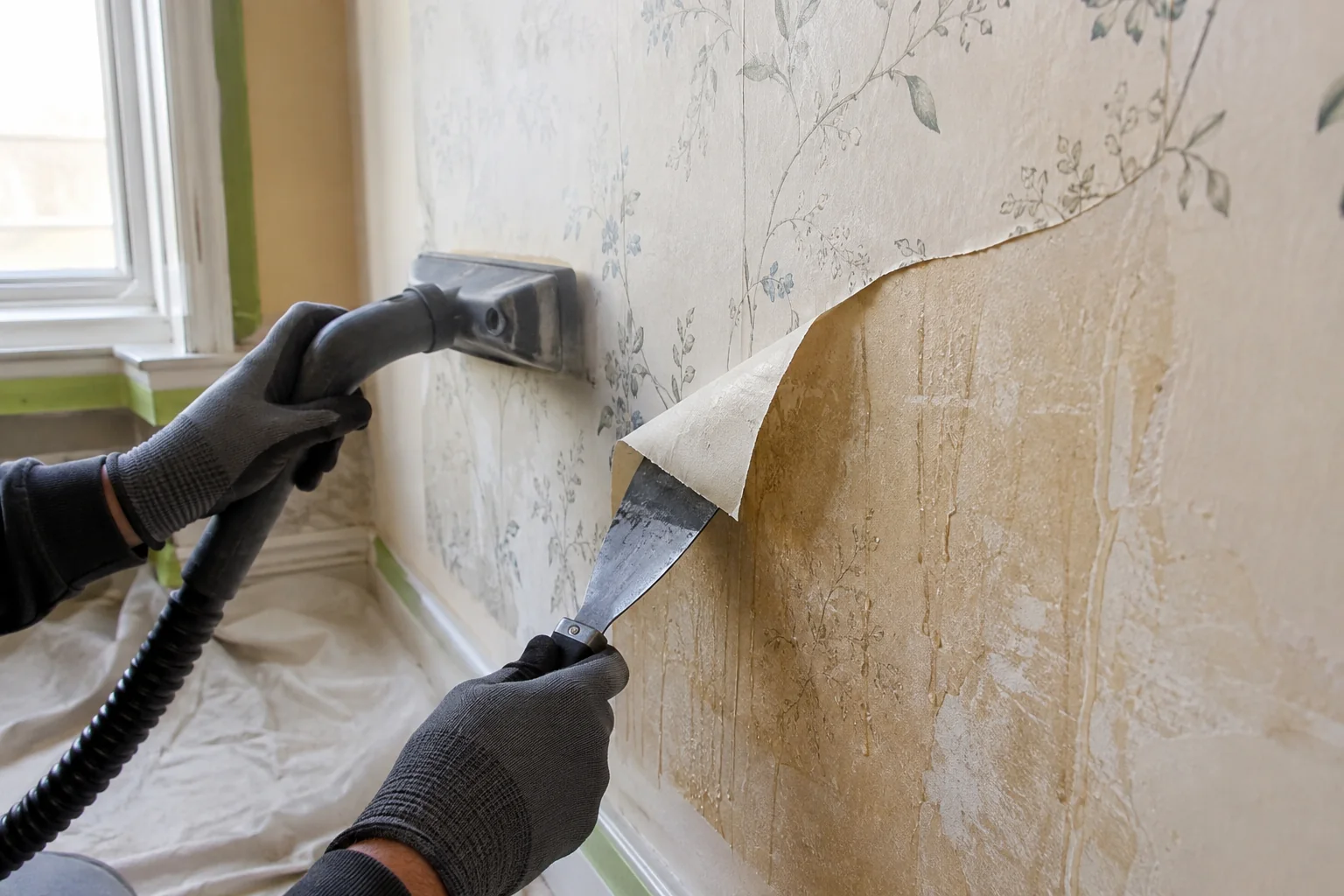
Do not rely on a new topcoat to bond to an unknown glossy finish. First determine whether the existing coating is sound. Clean away grease and residue, dull the sheen by sanding or deglossing as the selected system requires, remove loose material, and repair defects. A compatible bonding primer may be needed before moving from an old oil finish to a water-based topcoat.
Applying oil-based paint over a water-based coating also requires compatibility and preparation. The label instructions for both the primer and topcoat take priority because formulations differ. Test adhesion in a small area if the history is uncertain. If the old coating peels during cleaning or sanding, the problem is the underlying layer and must be corrected before repainting.
A professional can often identify clues such as age, hardness, gloss, and sanding behaviour, but testing and product guidance provide greater certainty than appearance alone.
Quick Decision Guide by Room and Surface
- Living rooms and bedrooms: latex or acrylic wall paint, with sheen chosen for appearance and cleaning needs.
- Ceilings: water-based flat or matte ceiling paint over repaired and properly primed surfaces.
- Kitchens and bathrooms: durable, washable latex in satin or semi-gloss, or a suitable hybrid where the substrate and use call for it.
- Trim and doors: a durable water-based trim enamel, waterborne alkyd, or traditional oil-based enamel where appropriate.
- Previously oil-painted surfaces: clean, dull, repair, and use a compatible bonding system before applying the chosen topcoat.
FAQ
How different are the drying times?
Water-based paint usually becomes touch-dry and ready to recoat sooner. Traditional oil-based coatings need substantially more time between coats and continue curing after they feel dry. Temperature, humidity, airflow, film thickness, and the specific product change every timeline, so follow the label rather than a generic number.
Is the smell or VOC level safe while living in the home?
All coatings should be used with the ventilation and protective measures stated by the manufacturer. Water-based products generally create less odour, but “low odour” does not mean ventilation is unnecessary. Traditional solvent-based coatings are more disruptive in occupied spaces. People with respiratory sensitivities, children, pets, or other health concerns should discuss product choice and re-entry timing with an appropriate professional.
Can old oil-based trim be repainted with latex?
Often yes, but not by applying ordinary wall paint directly over a glossy surface. The trim must be cleaned, sanded or dulled, repaired, and primed with a compatible bonding product if the system requires it. A durable trim enamel is more suitable than standard wall paint.
Which type lasts longer?
Traditional oil produces a hard film, while modern water-based products offer flexibility, colour retention, and strong durability. Longevity depends on substrate preparation, product quality, application, cure time, moisture, cleaning, and daily wear. A correctly matched system will outperform the wrong chemistry applied poorly.
On walls, colour retention and flexibility often favour modern water-based products. On a high-touch door or detailed trim profile, hardness and levelling may carry more weight. Compare performance for the specific surface rather than treating one chemistry as the permanent winner.
Can a professional tell what was used before?
Experience can narrow the possibilities, but old finishes and multiple repaint layers can be ambiguous. Cleaning, light sanding, adhesion testing, and a compatible primer provide a safer path when the coating history is unknown.
Get It Right the First Time — Talk to a Professional Painter
The best coating is the one matched to the surface, existing finish, room conditions, and desired appearance. Gold Painter can assess interior walls, ceilings, trim, and preparation needs during an on-site visit. request a free estimate, see our recent work as representative project types, or see our service areas across the GTA.
If you know the previous product, keep the label or a clear photo available. If you do not, avoid guessing. A small adhesion test and a compatible primer plan cost less time than discovering widespread peeling after the room has been completed. Product choice matters, but cleaning, dulling glossy surfaces, repairing defects, and respecting cure time are what allow the selected coating to deliver its intended finish.
Ask the estimator to identify the proposed primer and finish by surface. Walls, ceilings, trim, and doors do not always need the same product or sheen. Recording those choices in the scope also makes future maintenance and touch-ups easier.
Have a project in mind?
Let's see what your space needs.
Arrange a free on-site visit and we'll talk through your project.